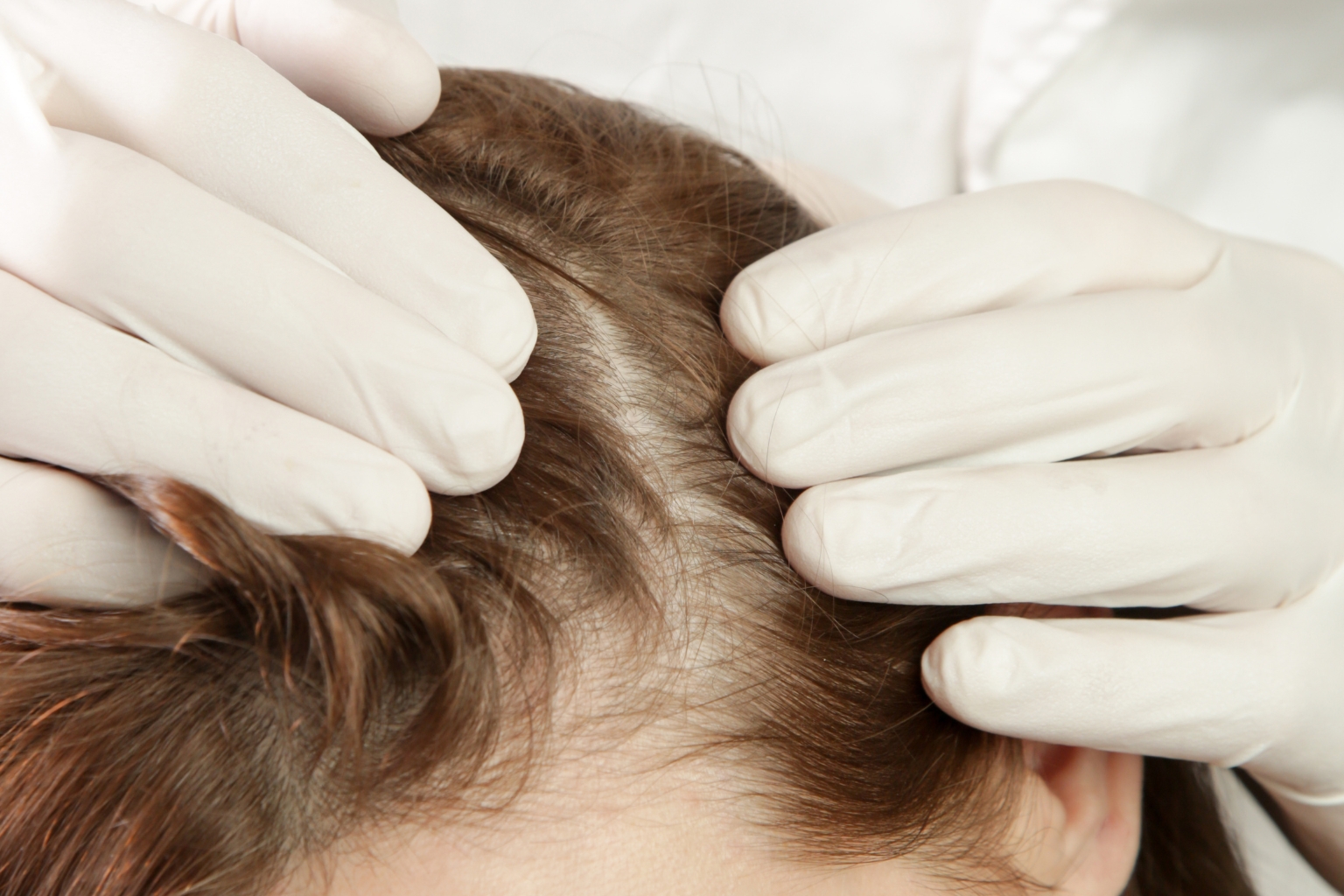
You run your fingers through your hair and more strands than usual come with them. Your ponytail is noticeably thinner. Your part looks wider. You find hair on the pillow, in the shower drain, on your jacket collar. It is unsettling, and you are not imagining it.
Hair loss affects tens of millions of Americans, and it does not discriminate. Whether you are a woman in your 40s noticing thinning across the crown or a man watching your hairline recede in your 30s, the emotional weight is real. The good news is that not all hair loss is permanent. When you identify and address the root cause, regrowth is genuinely possible, and modern regenerative medicine has given us far better tools to get there than ever before.
Here are five of the most common causes of hair loss, and what actually works to reverse the damage.
5 Common Causes of Hair Loss
- Hormonal Shifts
Hormones regulate nearly every function in your body, including how your hair grows. Estrogen and progesterone support healthy hair follicle cycling. When these hormones drop, specifically during perimenopause, menopause, the postpartum period, or because of thyroid dysfunction, follicles shrink and enter a prolonged shedding phase called telogen effluvium.
Women experiencing hormonal hair loss often notice diffuse thinning across the scalp rather than a single receding hairline. The scalp may look more visible at the part line, and the overall volume of the ponytail decreases. This type of hair loss often responds well to a combination of hormonal support and regenerative treatment. If you suspect hormones are playing a role, our providers can run a comprehensive panel and discuss your options at your first visit.
- DHT Sensitivity (Androgenetic Alopecia)
This is the most common form of hair loss in both men and women. A hormone called dihydrotestosterone (DHT) binds to receptors in hair follicles and gradually shrinks them over time, producing thinner and shorter hairs until the follicle goes dormant. In men, this typically presents as a receding hairline or thinning at the crown. In women, thinning tends to be more diffuse across the top of the scalp with a widening part.
Genetic predisposition plays a significant role in how sensitive your follicles are to DHT, but that does not mean you are without options. Catching it early dramatically improves outcomes.
- Nutritional Deficiencies
Your hair follicles require a reliable supply of nutrients to function. Iron, zinc, biotin, vitamin D, and protein are among the most critical. Deficiencies in any of these, common after significant stress, illness, major weight changes, or restrictive dieting, can trigger widespread shedding within two to four months of the triggering event.
This is sometimes called telogen effluvium, and it can feel alarming because the shedding is diffuse and rapid. A comprehensive blood panel is one of the first things we order for patients presenting with sudden hair loss, because addressing a deficiency may be the simplest and most impactful first step.
- Chronic Stress and Cortisol
Acute or prolonged stress raises cortisol levels, which disrupts the hair follicle growth cycle. Many people notice significant shedding two to three months after a major stressful period, such as illness, surgery, grief, professional burnout, or even a difficult pregnancy. This delayed timeline often confuses patients who cannot identify a trigger because the shedding happens long after the stressor has passed.
While stress-related hair loss often resolves with time, the recovery can be frustratingly slow. Supporting your body’s regenerative capacity during this period, through nutrition, stress reduction, and targeted treatment, can meaningfully shorten the timeline.
- Scalp Inflammation and Poor Circulation
When the scalp environment is compromised by chronic inflammation, seborrheic dermatitis, poor blood flow, or oxidative stress, follicles become starved of the oxygen and nutrients they need to produce healthy hair. Follicles that have been in a starved state for a period of time are not necessarily dead; they are often dormant and can be reactivated with the right stimulus. This is precisely where regenerative medicine becomes powerful.
What Actually Works: PRP Hair Restoration
Platelet-Rich Plasma (PRP) therapy is one of the most evidence-backed treatments for hair loss currently available. It works by harnessing your body’s own healing intelligence and directing it at the scalp.
Here is how the process works: a small amount of your blood is drawn and processed in a centrifuge to concentrate the platelets, the tiny cells packed with growth factors your body uses to heal and regenerate tissue. That concentrated plasma is then injected directly into the scalp at the level of the hair follicles using a fine needle.
The growth factors released by the platelets, including PDGF, VEGF, IGF-1, and EGF, stimulate follicle activity, improve blood supply to the scalp, extend the active growth phase of the hair cycle, and support the transition of dormant follicles back into production. Most patients notice a reduction in shedding within six to eight weeks and visible new growth between three and six months.
You can learn more about what to expect from our PRP hair restoration program on our treatment page.
Pairing PRP with Peptide Therapy for Enhanced Results
At Evolve Medical, we frequently pair PRP with GHK-Cu peptide therapy for patients seeking more robust outcomes. GHK-Cu is a naturally occurring copper peptide with a strong body of research supporting its role in follicle stimulation, reduction of scalp inflammation, and extension of the anagen (growth) phase of the hair cycle.
Used together, PRP delivers a concentrated burst of growth factor signaling while GHK-Cu creates a more sustained regenerative environment in the scalp. Patients who receive combination therapy often report denser, healthier growth compared to PRP alone.
Explore our full peptide therapy offerings to understand how peptides can be incorporated into a personalized hair restoration plan.
Am I a Candidate for PRP Hair Restoration?
PRP works best for patients who have active but weakened hair follicles that have not yet completely stopped functioning. It is most effective for:
- Early-to-moderate androgenetic alopecia (pattern hair loss)
- Diffuse thinning caused by hormonal shifts or nutritional deficiencies
- Hair loss following a stressful event or illness
- Patients who want to avoid systemic medications like finasteride or minoxidil
- Those who have tried topical treatments with limited success
It is less effective for areas where the follicle has been completely dormant for many years and the scalp shows significant visible scarring or slick alopecia.
During your consultation with one of our experienced providers, we will assess your hair loss pattern, review your health history, and determine whether PRP, alone or paired with peptide therapy, is the right fit for your goals.
What Does a PRP Hair Restoration Session Look Like?
The process is straightforward and well-tolerated. You arrive, and we draw a small tube of blood, similar to a routine lab draw. The blood is placed in a centrifuge and spun for approximately 10 minutes to separate and concentrate the platelets. While that is processing, we apply a topical numbing solution to your scalp.
Once the PRP is prepared, it is injected into the treatment areas using a fine needle. The injections themselves take about 20 to 30 minutes. Most patients describe the sensation as mild pressure or brief pinching. There is no downtime. You can return to your normal activities immediately, though we ask that you avoid intense exercise and hair washing for 24 hours.
A standard initial protocol is three sessions spaced four to six weeks apart, followed by maintenance treatments every six to twelve months depending on your response and goals.
Frequently Asked Questions
How many PRP sessions will I need?
Most patients begin with a series of three sessions spaced four to six weeks apart. This initial series establishes the regenerative response. Maintenance treatments every six to twelve months help sustain results long-term.
Is PRP for hair loss painful?
We apply a topical numbing cream before the injections to minimize discomfort. Most patients describe the sensation as mild pressure. The procedure itself takes 45 to 60 minutes from start to finish, including processing time.
When will I see results from PRP?
The first sign most patients notice is a reduction in shedding, which typically happens within six to eight weeks. Visible new growth and increased density appear between three and six months as the hair cycle completes. Full results are typically appreciated at the six-month mark.
Does PRP work for complete baldness?
PRP is most effective when there are still active or dormant follicles present. Areas of complete, long-standing baldness with no remaining follicular activity typically do not respond. Early intervention produces the best results.
What membership options are available?
We offer flexible membership and packages that make ongoing hair restoration treatments more affordable. Ask about our options during your consultation.
Ready to Take the Next Step?
If you have been watching your hair thin and wondering whether it is too late to do something about it. It is not. Evolve Medical offers physician-led PRP hair restoration in Deer Park, NY, with personalized treatment plans designed around your specific cause and pattern.
(631) 253-1313