
Finishing chemotherapy is a milestone, but for many patients the work of recovery is just beginning. Fatigue that lingers for months, peripheral neuropathy, cognitive changes often described as chemo brain, persistent inflammation, and damaged soft tissue from radiation can all continue to disrupt daily life long after treatment ends. Patients searching for evidence-informed ways to feel like themselves again are increasingly asking about hyperbaric oxygen therapy, often shortened to HBOT.
At Evolve Medical, we work with cancer survivors who want to support their bodies through the recovery phase using therapies grounded in physiology. HBOT is one of those tools. Below, we explain what HBOT is, how it may help after chemotherapy, what to expect from a session, and how to determine whether it is appropriate for your situation.
What Is Hyperbaric Oxygen Therapy?
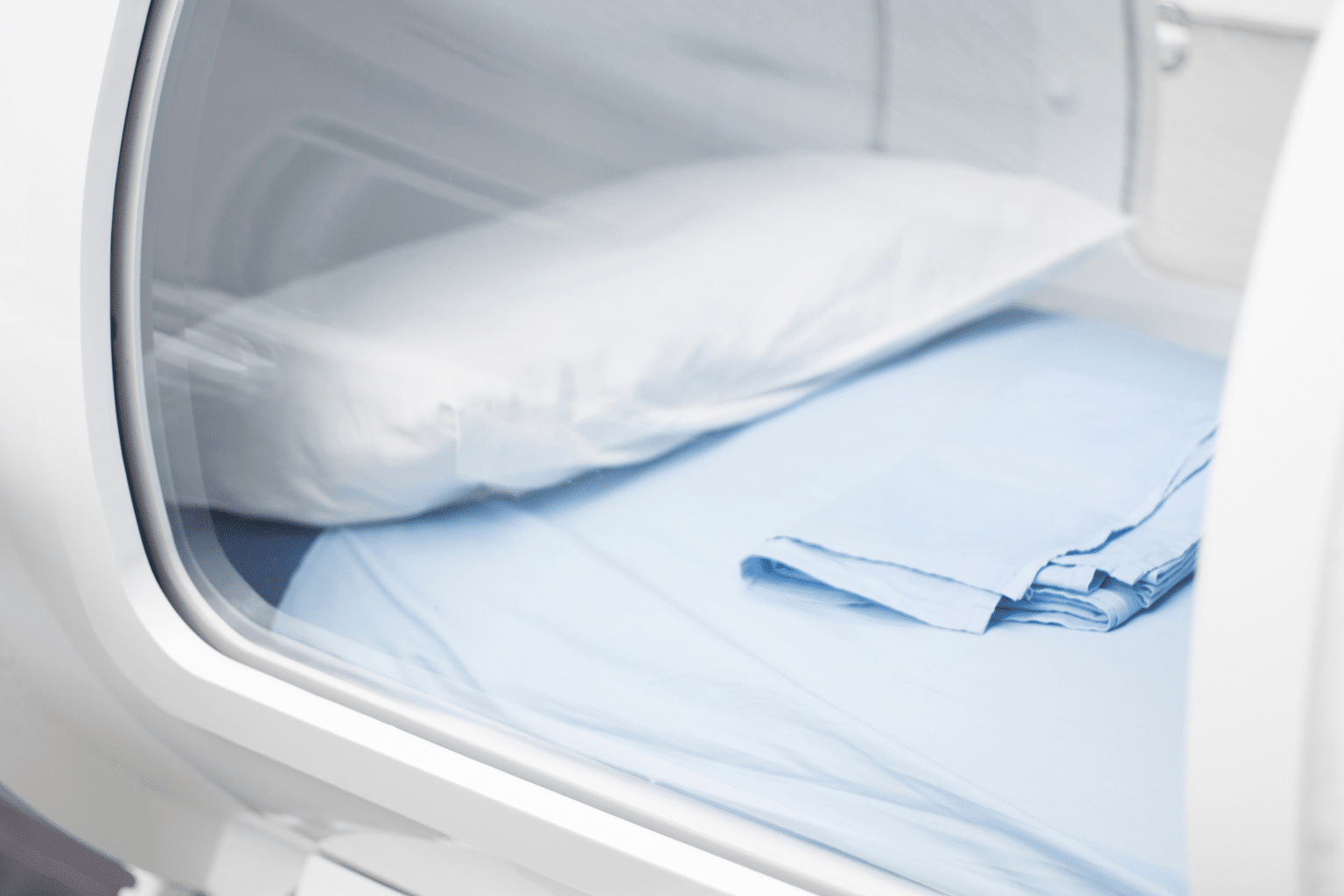
Hyperbaric oxygen therapy involves breathing pure oxygen inside a pressurized chamber. The combination of elevated pressure and 100 percent oxygen dramatically increases the amount of oxygen dissolved in your blood plasma, lymph, and other body fluids. This means oxygen can reach tissues that may be poorly perfused, including areas damaged by radiation, surgery, or chemotherapy.
While HBOT was originally developed for decompression sickness in divers, it is now FDA-cleared for a range of medical indications, including radiation tissue injury, non-healing wounds, and certain post-surgical complications. Beyond those approved uses, a growing body of research is examining how HBOT may support recovery from cancer treatment more broadly.
Why Oxygen Matters After Chemotherapy
Chemotherapy is designed to destroy rapidly dividing cells, but it also affects healthy tissues. The downstream effects include damaged mitochondria, increased oxidative stress, microvascular injury, suppressed immune function, and impaired wound healing. Many of these effects share a common thread: a disruption in how tissues use and deliver oxygen.
HBOT works on several of these mechanisms at once:
- Tissue oxygenation: high-pressure oxygen reaches areas where blood flow has been compromised, supporting cellular repair.
- Stem cell mobilization: research suggests HBOT increases circulating stem cells, which play a role in tissue regeneration.
- Anti-inflammatory effects: HBOT can downregulate certain inflammatory pathways that remain overactive after cancer treatment.
- Angiogenesis: repeated sessions encourage the formation of new blood vessels in damaged tissue, particularly relevant for patients with radiation injury.
- Mitochondrial support: improved oxygen availability supports the cellular energy production that chemotherapy often impairs.
Symptoms HBOT May Help Address After Cancer Treatment
Patients pursuing HBOT after chemotherapy typically report concerns that fall into several categories. While individual responses vary and HBOT is not a cure for any of these conditions, it may offer meaningful support for:
- Persistent fatigue and low energy that has not resolved with rest or nutrition alone.
- Chemotherapy-induced peripheral neuropathy, including numbness, tingling, and burning in the hands and feet.
- Cognitive changes, sometimes called chemo brain, that affect memory, focus, and processing speed.
- Radiation-induced soft tissue injury, including cystitis, proctitis, and osteoradionecrosis.
- Slow-healing surgical wounds or skin breakdown.
- Mucositis and ongoing oral health concerns following head and neck treatments.
- General fatigue tied to mitochondrial dysfunction and oxidative stress.
What to Expect During a Session
A typical HBOT session at Evolve Medical lasts approximately 60 to 90 minutes. Patients enter the hyperbaric chamber, the pressure is gradually increased to a treatment level prescribed by your physician, and you breathe pure oxygen for the duration of the session. The experience is generally relaxing. Many patients read, listen to music, or simply rest. The only sensation most patients notice is a feeling similar to pressure changes during air travel, which we coach you through.
Treatment protocols vary based on the indication. A typical course of HBOT for recovery support may involve a series of sessions delivered over several weeks. Your physician will design a protocol based on your history, current symptoms, and recovery goals.
Safety and Important Considerations
HBOT has a strong safety profile when delivered in a clinical setting under physician oversight. Side effects are uncommon and typically mild, including temporary ear pressure or sinus discomfort.
There are, however, important considerations specific to cancer survivors. The question of HBOT during active cancer treatment, as opposed to after chemotherapy has concluded, is nuanced and depends on tumor type, location, and other factors. Patients with certain conditions, including untreated pneumothorax or specific lung conditions, may not be candidates. This is why HBOT for cancer survivors should always be coordinated with your oncology team and overseen by a physician familiar with the therapy.
At Evolve Medical, every patient considering HBOT after chemotherapy is evaluated thoroughly. We review your treatment history, current medications, imaging if relevant, and your oncologist’s input before recommending a protocol.
Integrating HBOT With a Broader Recovery Plan
HBOT is most effective when it is part of a comprehensive recovery strategy. For most patients, that includes targeted nutrition, sleep optimization, gentle exercise, stress regulation, and other supportive therapies. At Evolve Medical, we frequently combine HBOT with IV nutrient therapy, peptide therapy, and lifestyle interventions designed to rebuild resilience after a demanding course of treatment.
The goal is not just symptom relief. It is helping survivors return to a state where they feel capable, clear-headed, and engaged in their lives again.
Key Takeaways
- HBOT delivers oxygen at elevated pressure, increasing tissue oxygenation in areas affected by chemotherapy and radiation.
- Survivors may consider HBOT for persistent fatigue, chemo brain, peripheral neuropathy, and radiation tissue injury.
- Sessions are generally relaxing and well-tolerated, lasting 60 to 90 minutes.
- HBOT should be coordinated with your oncology team and delivered under physician supervision.
- Best results often come from combining HBOT with nutrition, IV therapy, and lifestyle support.
Frequently Asked Questions
HBOT during active chemotherapy is a nuanced clinical question that depends on tumor type, treatment phase, and other factors. This article focuses on HBOT after chemotherapy has concluded. Any decision about HBOT during active treatment must be made in close coordination with your oncologist. At Evolve Medical, we evaluate every cancer survivor individually before recommending a protocol.
Treatment plans vary based on your symptoms, recovery goals, and overall health. A typical course of hyperbaric oxygen therapy for recovery support may involve a series of sessions delivered over several weeks. Your physician will design a protocol tailored to your specific situation after a thorough evaluation.
Insurance coverage for HBOT depends on the indication and your specific plan. HBOT is covered for certain FDA-approved indications such as radiation tissue injury. Coverage for general post-chemotherapy recovery is less common. Our team can help you understand what may be covered and what is typically out of pocket during your consultation.
Patients with chemotherapy-induced peripheral neuropathy sometimes pursue HBOT as part of a broader recovery plan. The rationale is that HBOT may support nerve tissue repair through improved oxygenation and cellular function. While individual responses vary and HBOT is not a cure for neuropathy, it may provide meaningful symptom relief for some patients when combined with other supportive therapies.
The timing depends on your overall recovery status, oncology team’s input, and individual health factors. Some patients begin HBOT shortly after completing chemotherapy as part of an active recovery plan. Others wait until specific symptoms emerge. A consultation with Dr. Sarij and coordination with your oncologist will determine the right timing for you.
Most patients describe HBOT sessions as relaxing. You enter a pressurized chamber and breathe pure oxygen for 60 to 90 minutes while reading, listening to music, or simply resting. The only physical sensation most patients notice is pressure changes in the ears similar to those during air travel, which our team coaches you through.
Schedule a Consultation at Evolve Medical
Evolve Medical is a physician-led regenerative and functional medicine practice with two Long Island locations in Deer Park and Dix Hills. To learn whether this therapy is appropriate for your situation, schedule a consultation with Dr. Hasib M. Sarij and the Evolve Medical team. Every treatment plan is built around a thorough evaluation of your health history, current symptoms, and personal goals.
(631) 253-1313
Medical disclaimer: This article is for educational purposes only and is not intended as medical advice, diagnosis, or treatment. Always consult a qualified physician about your specific health concerns.